Healthy grasslands = healthy habitats
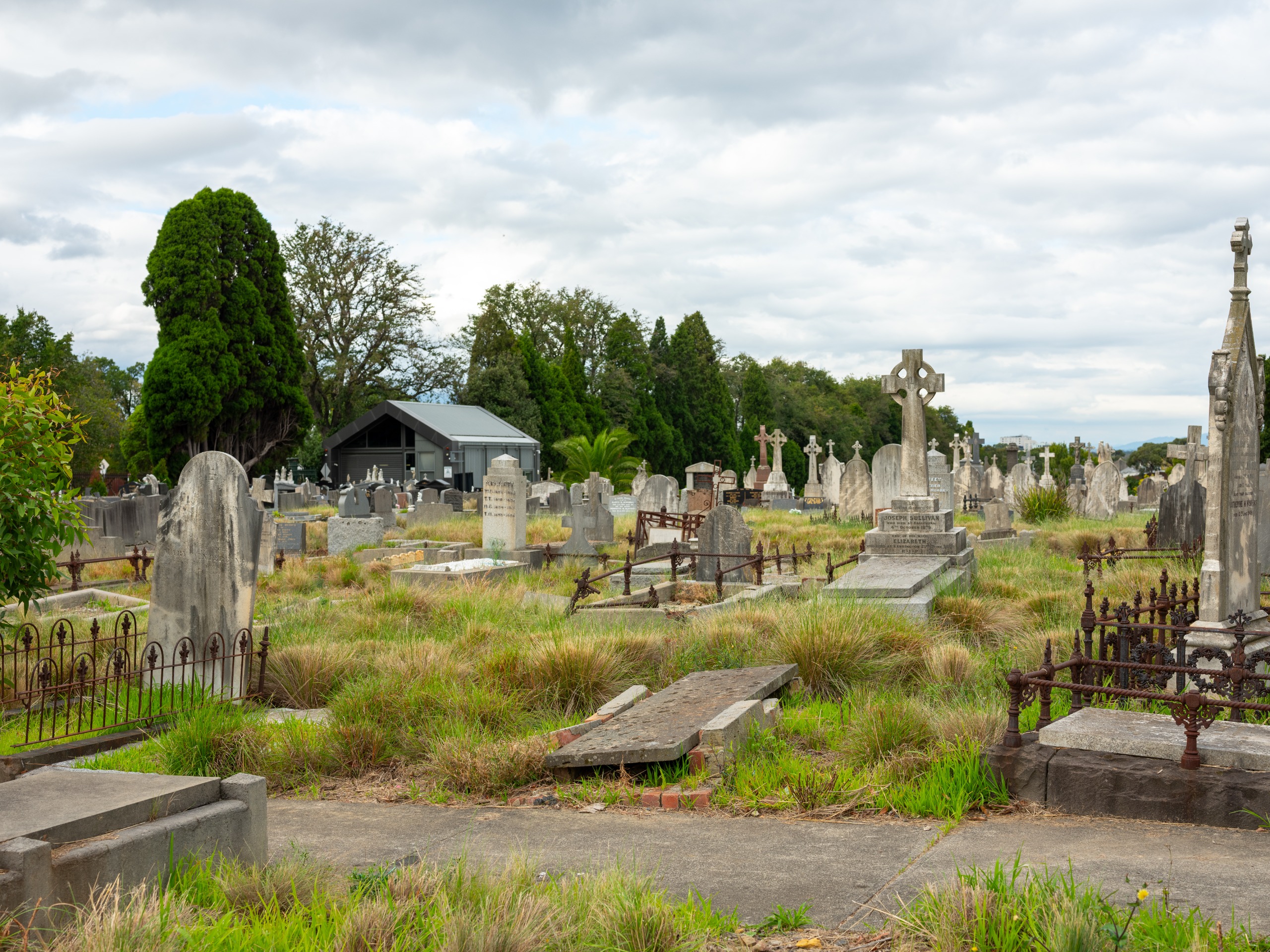
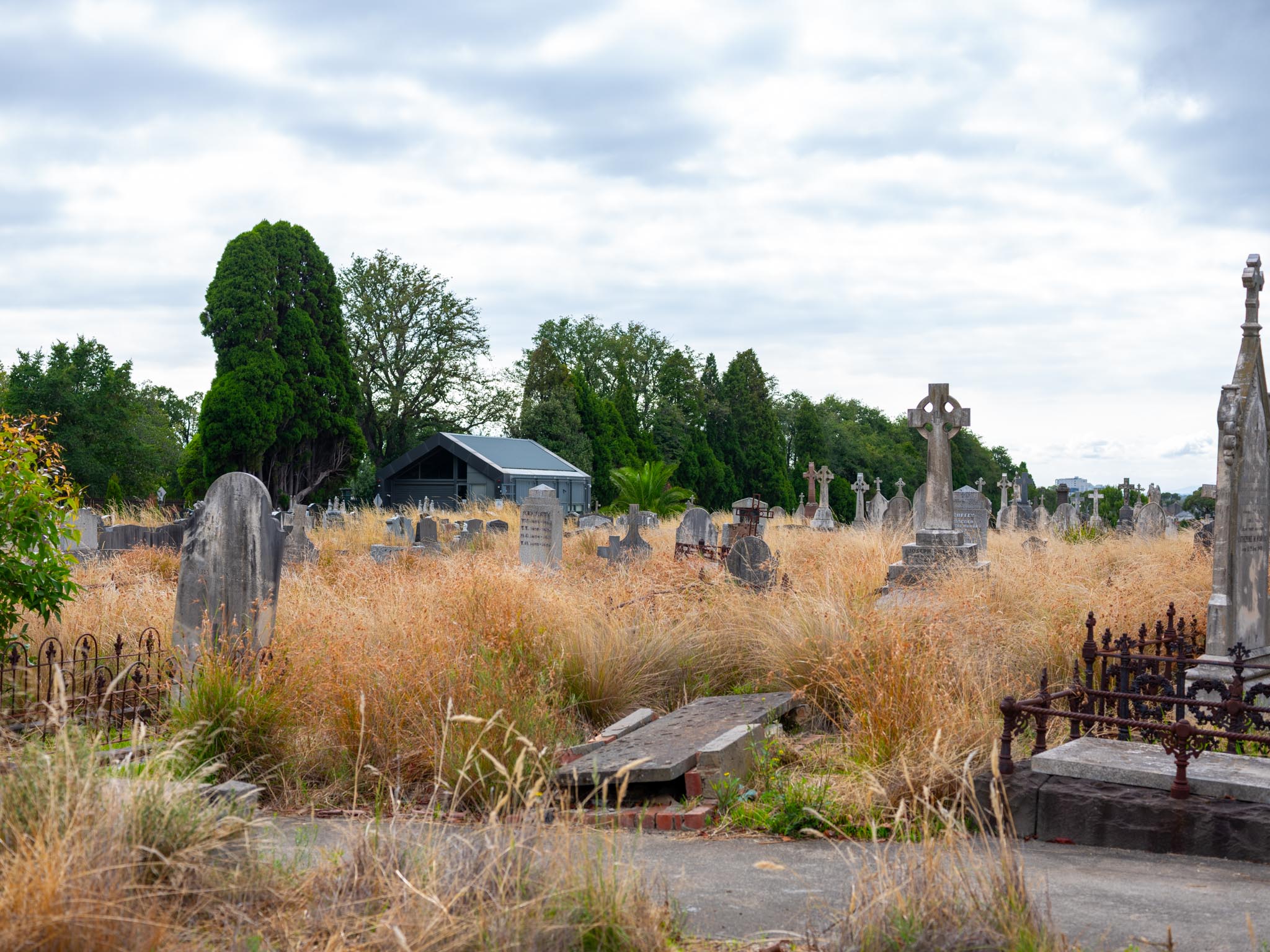
Melbourne General Cemetery is home to more than 56 acres of native grasslands established as part of Project Cultivate.
These grasslands recreate the open grassy landscapes that once covered much of Victoria and provide important habitat for wildlife including birds, butterflies, bees and lizards. Native grasslands are one of Australia’s most threatened ecosystems.
To keep these landscapes healthy, diverse and resilient, they are carefully managed throughout the year according to their growth needs and the seasons.
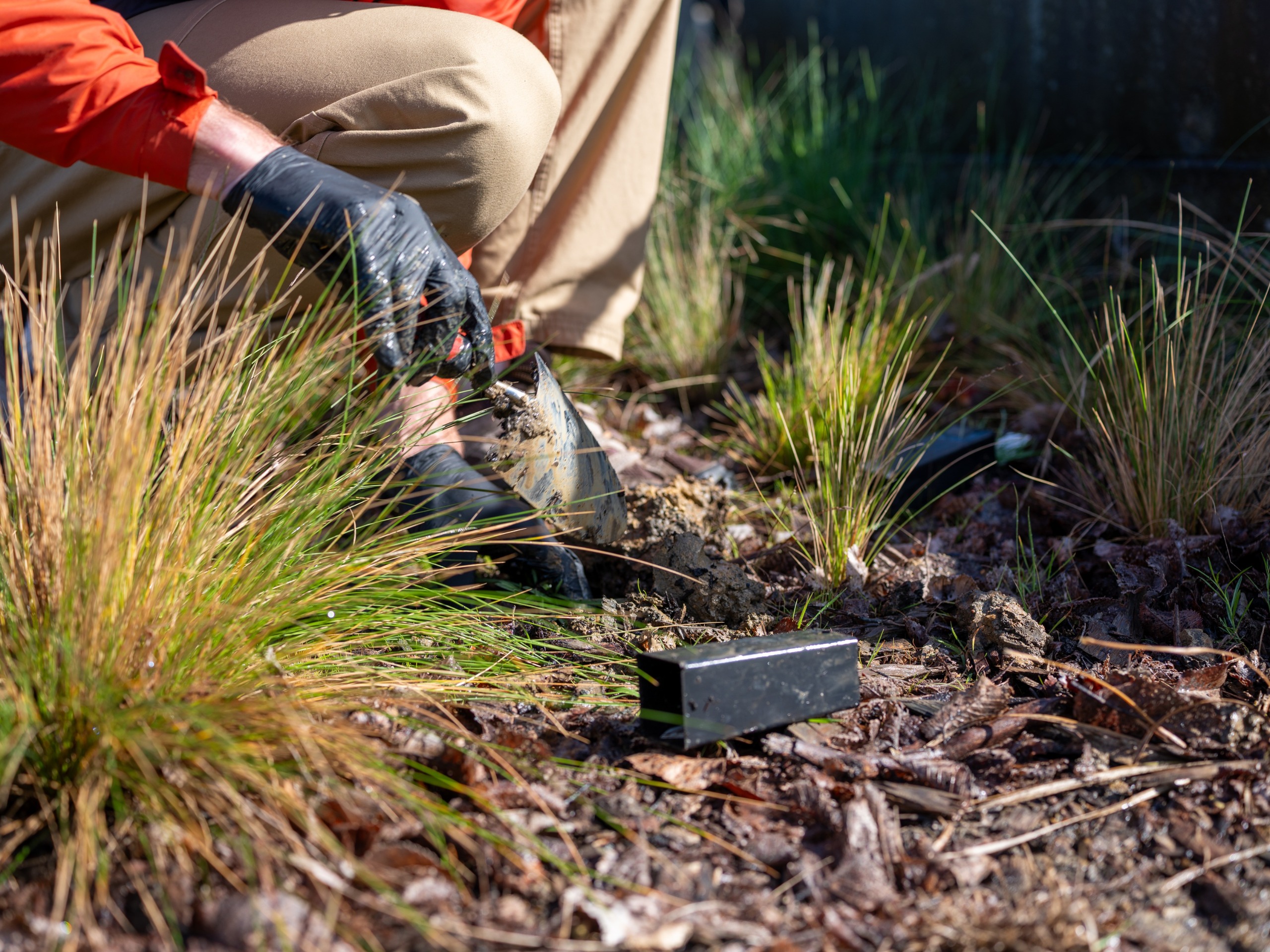
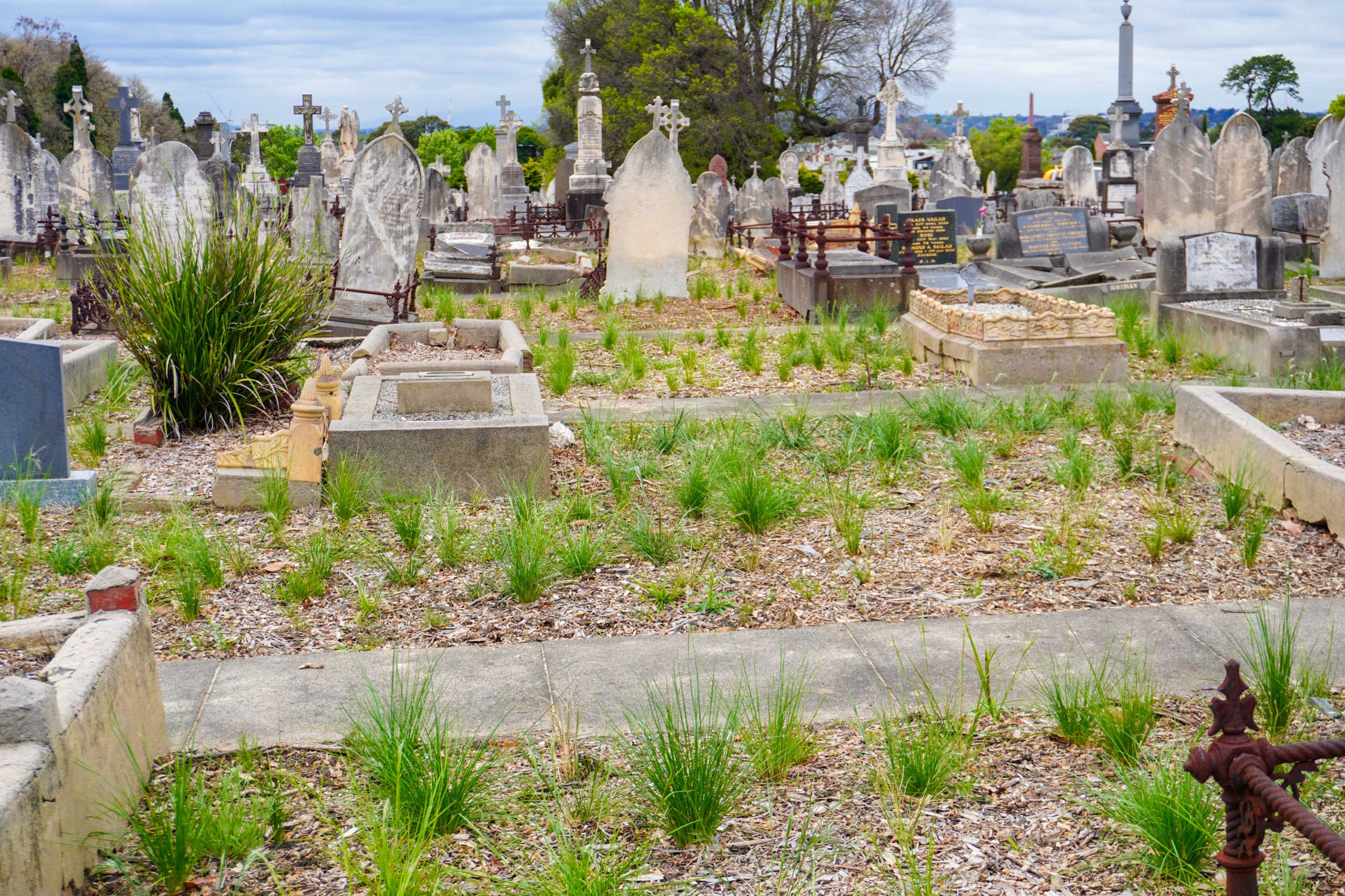
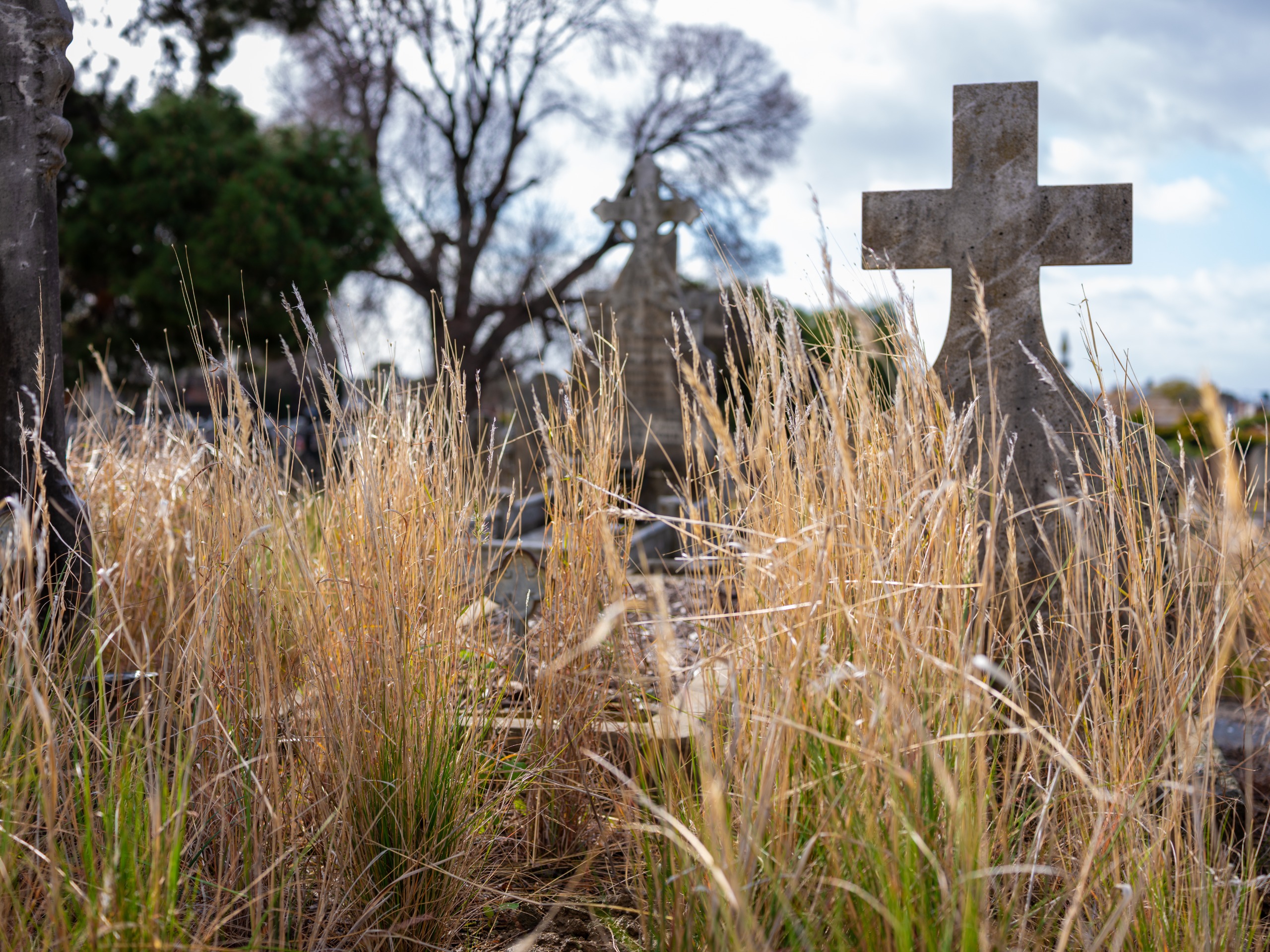
Successful grassland management results in:
- Open grasslands with visible tussocks and wildflowers
- Increased butterflies, bees and birds
- Reduced weeds
- A living landscape that honours both people and place
Without periodic care, grasslands can become dominated by a small number of vigorous species. This reduces wildflowers, limits habitat for wildlife and allows weeds to spread.
Managing with the seasons
At Melbourne General Cemetery, grasslands are sectioned into five management areas. Only one area is heavily managed each year, while others are left flowering or lightly maintained. This is intentional and helps maintain biodiversity and habitat across the site.
Management is carefully timed to the natural lifecycle of native grasses and wildflowers, and the Wurundjeri seasons. Works are scheduled after plants have flowered and set seed, allowing new plants to establish naturally.
In each year of our five-year maintenance cycle, we perform works at one of the five Project Cultivate areas. The first planned grassland management works will take place in 2026, after allowing time for the plants to establish, any seed to set or be collected, and the success of the plant growth and cultivation reviewed and assessed.
Image 1 of 2
Frequently Asked Questions (FAQs)
Different plants flourish and rest at different times throughout the year according to the seasons.
Our schedule of maintenance may mean that some areas may look freshly cut, while others are tall and flowering. This is intentional and aligns with seasonal works to help maintain biodiversity and habitat across the site.
Without periodic care, these areas can become dominated by a small number of vigorous species, reducing habitat quality and plant diversity.
Our management approach helps to:
- Allow native plants to flower and set seed
- Maintain open spaces between grasses for wildflowers to grow
- Reduce weeds and excess biomass
- Maintain safe access and clear sightlines for visitors
Active or intentional management is the use of scheduled (periodic) care and resources to look after an area.
As part of our grassland management program, seasonal works will take place to reduce accumulated grass biomass and maintain the ecological health of Project Cultivate areas.
Works may include cutting back grasses, reinvigorating wildflowers and removing any weeds, supporting a more balanced and resilient grassland environment.
Grasses removed are added to our compost to be reused across our sites to help maintain healthy gardens and habitats.
In March 2026, some of the grasses will also be used by the Royal Botanic Gardens as part of their display at the Melbourne International Flower and Garden Show.
Biomass reduction in established native grasslands simply means reducing the amount of plant material (such as grasses and other vegetation) that has built up over time.
In healthy grasslands, grasses naturally grow, die back, and accumulate as dry matter. If too much of this material builds up, it can smother smaller native plants, reduce plant diversity, and make it harder for new growth to occur. Biomass reduction involves carefully removing some of this built-up vegetation—often through mowing, slashing, burning, or removal of cut material—to keep the grassland open and healthy.
This process mimics natural cycles and helps maintain a diverse mix of native grasses and wildflowers. Biomass reduction at the Project Cultivate grasslands will occur through slashing, and the removal of cut material from site.