Project Cultivate at St Kilda Cemetery
SMCT is pleased to bring Project Cultivate — our award-winning planting initiative — to the historic and much-cherished St Kilda Cemetery (STK).
Project Cultivate is a community-driven horticultural approach to restore our historic cemetery grounds into biodiverse native landscapes. It involves planting indigenous wildflowers, grasses and shrubs, using organic mulch, to improve the natural environment , enhance visitor experience, and promote sustainability.
The project is about connection, conservation, and community. Together, we’ll explore the stories held within the cemetery’s walls, nurture its natural beauty, and create opportunities for reflection, learning, and community engagement.
Whether you're a local resident, history buff, nature lover, or simply curious, there are ways for you to get involved in Project Cultivate. Expect community planting days, guided walks, and hands-on activities that celebrate the cemetery’s unique heritage and revitalised ecology.
Let’s cultivate something special — together. Stay tuned for ways to get involved!
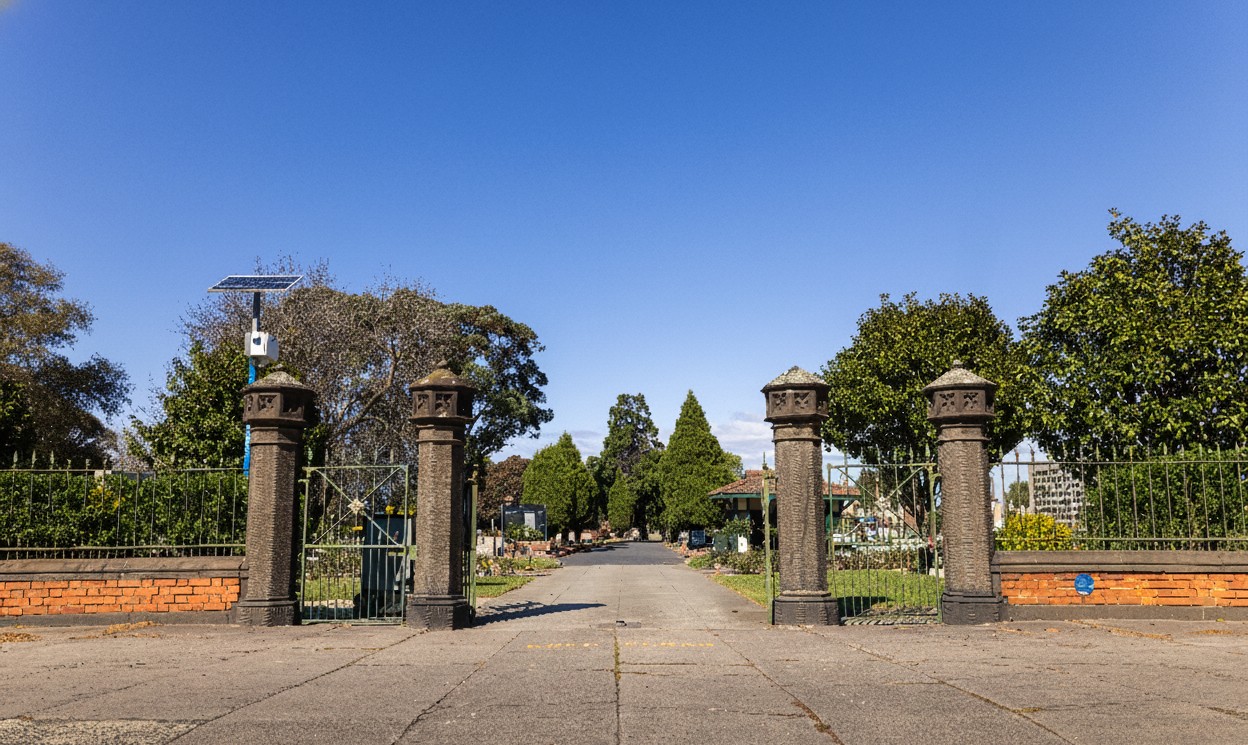
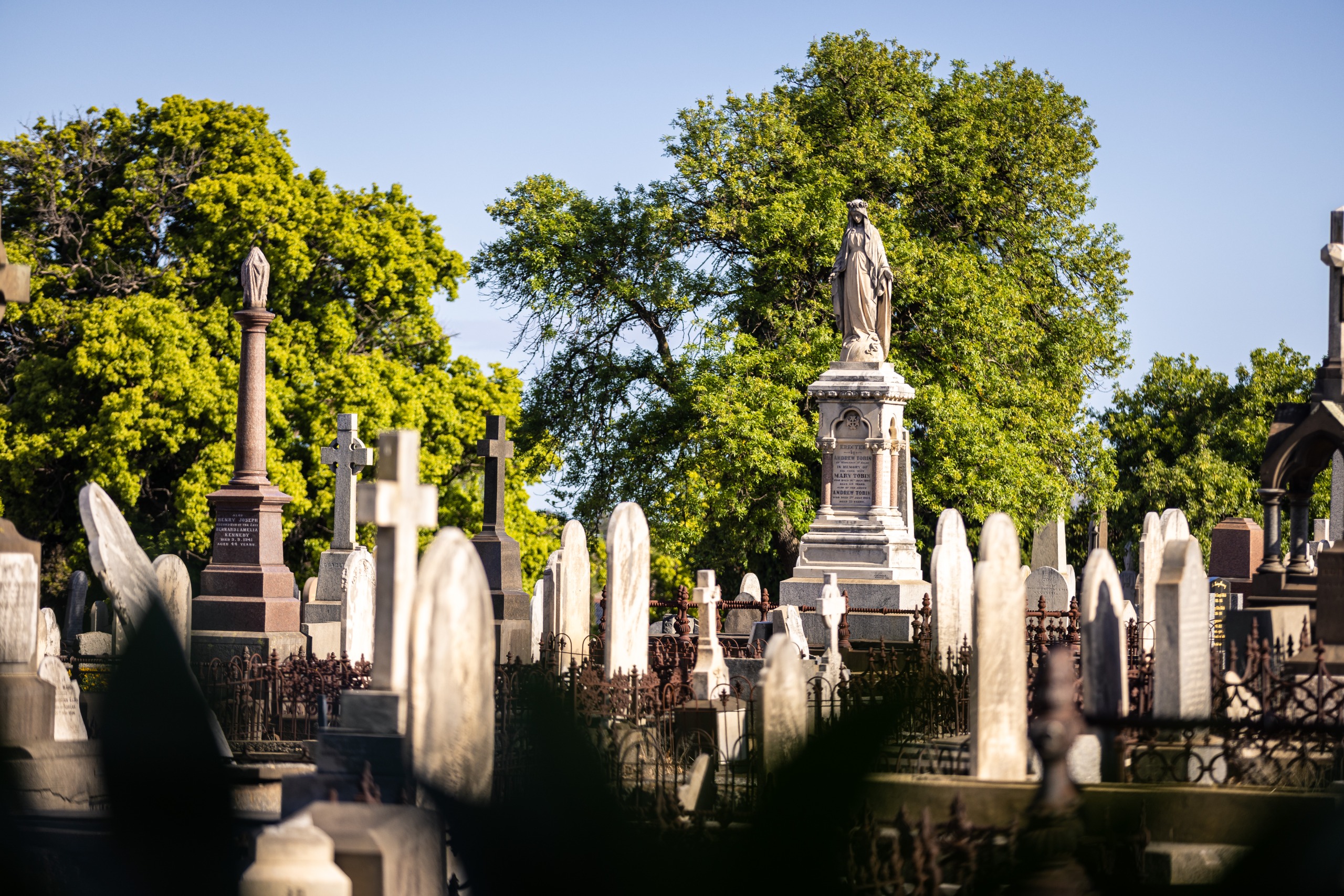
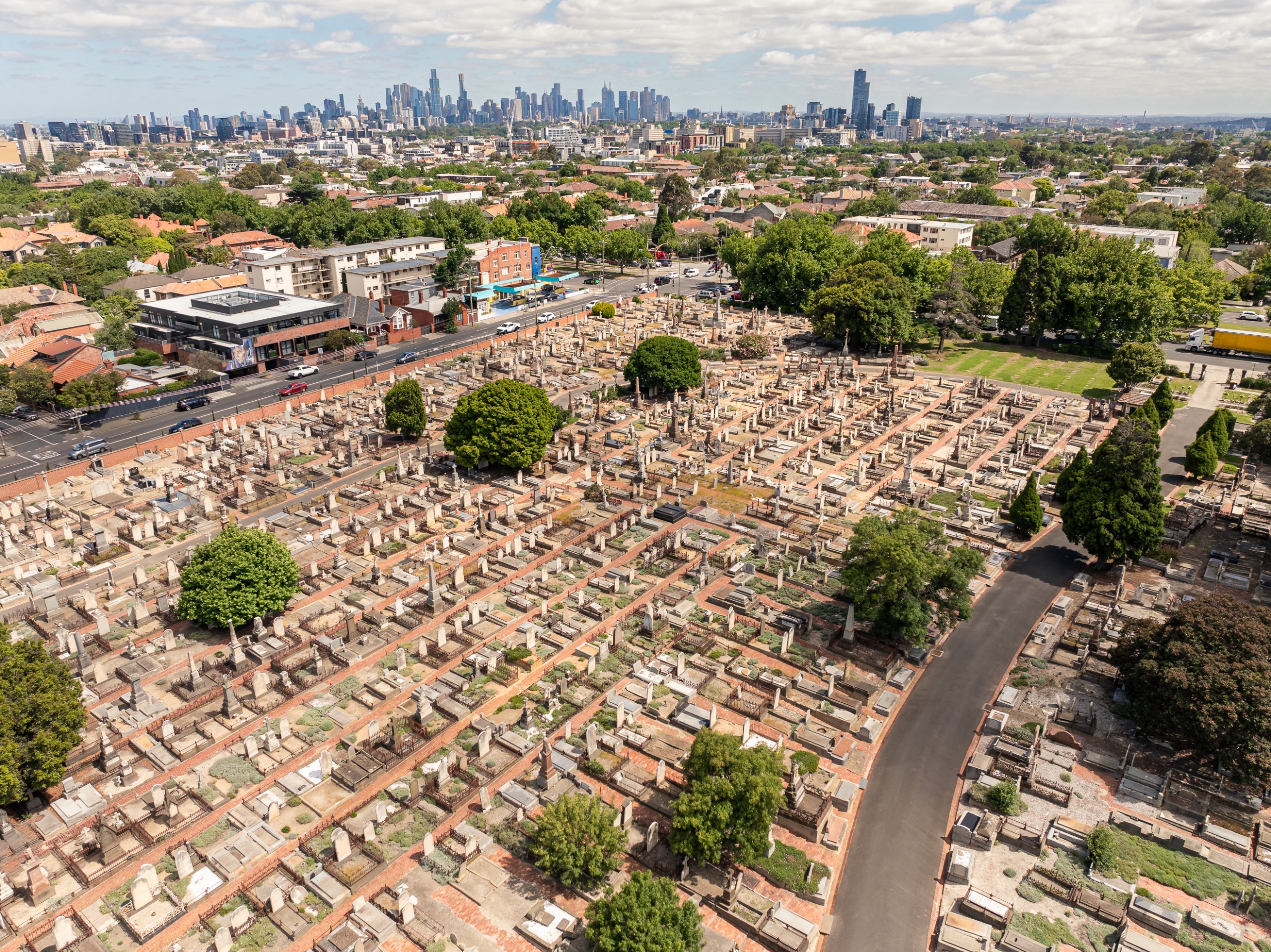
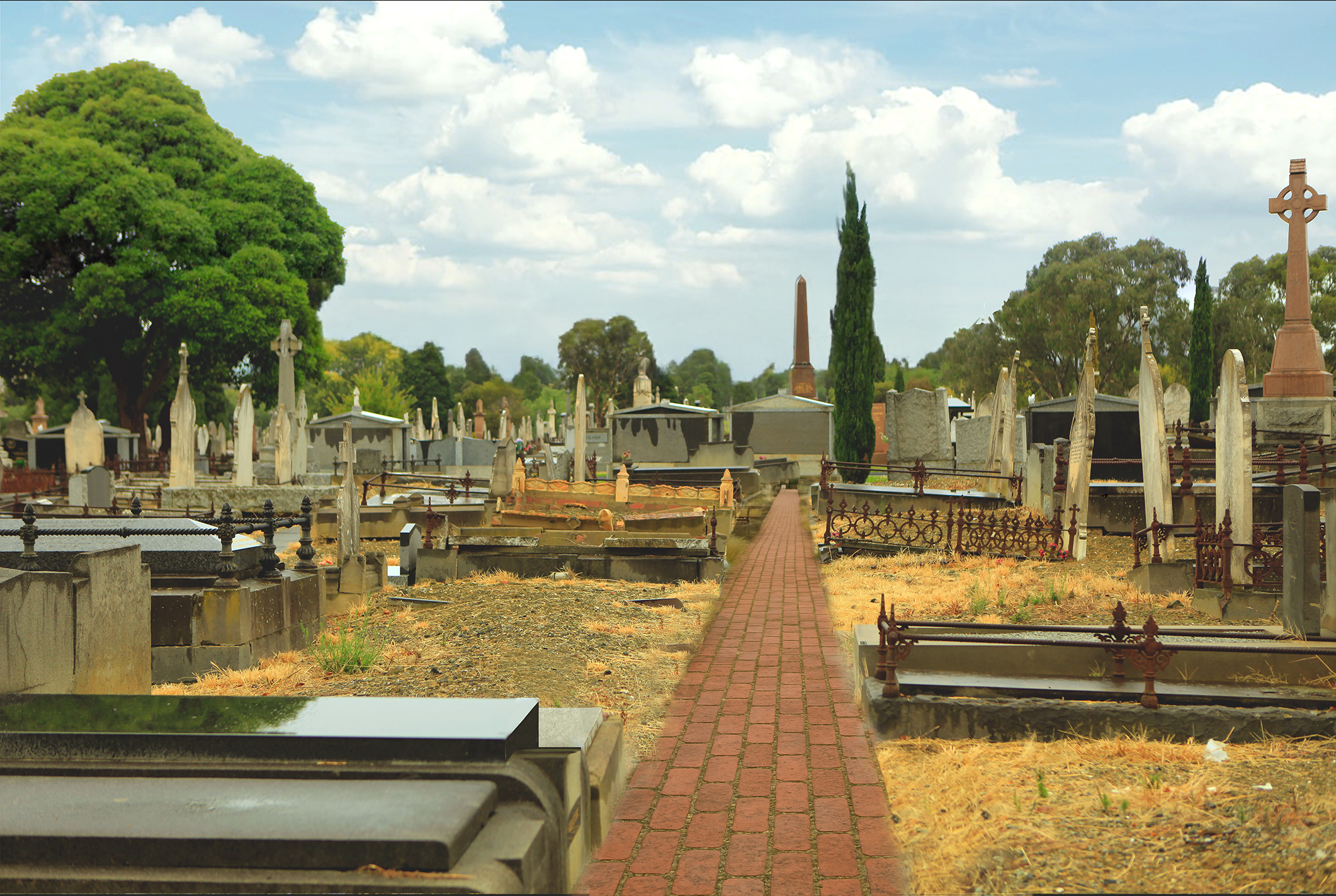
Before and after
Click and swipe the arrow on the right-side of the image to see what St Kilda Cemetery is projected to look like once Project Cultivate has been implemented.
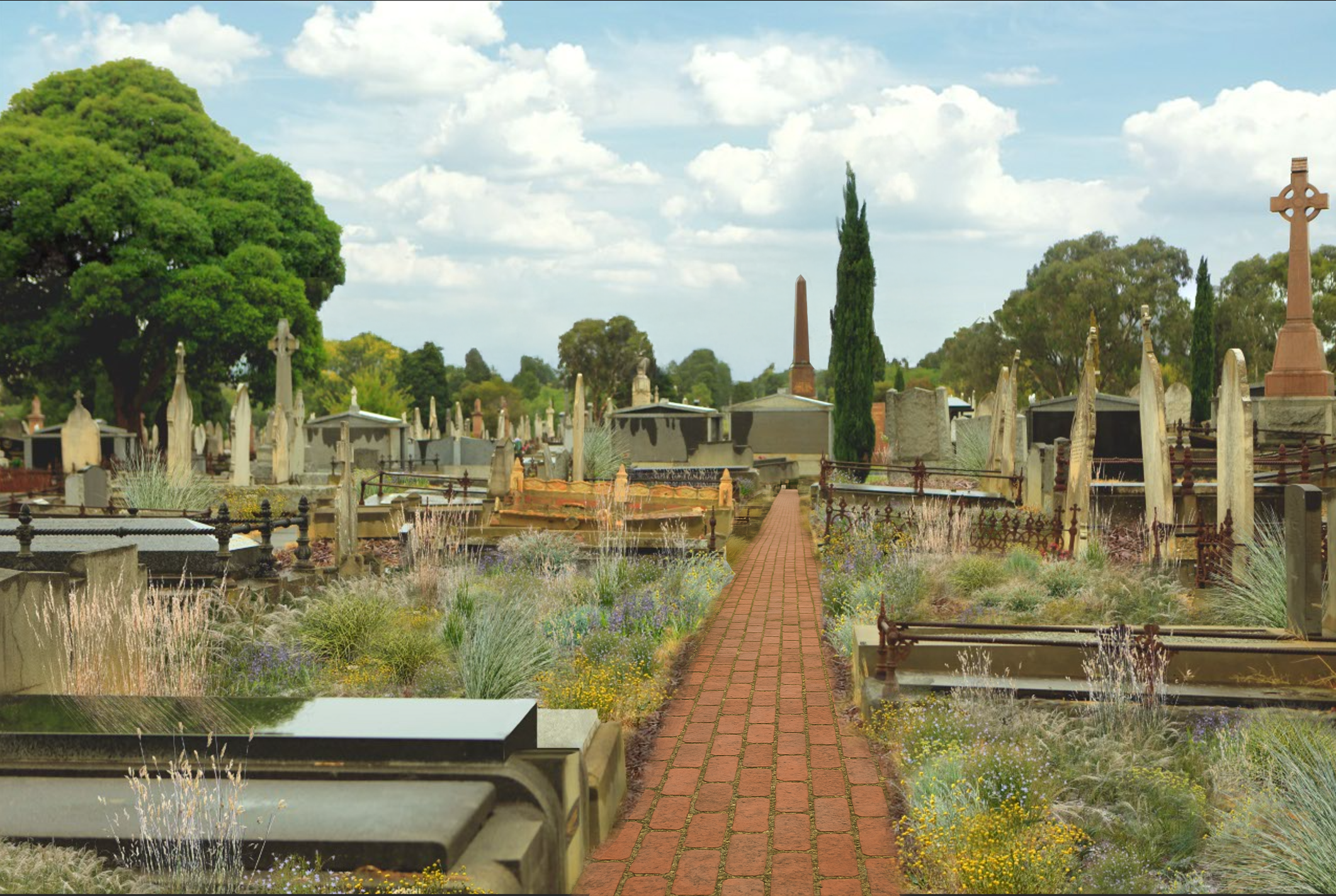
Expand each section to learn more about Project Cultivate at St Kilda Cemetery.
🌱What to expect
Currently, only one acre of St Kilda Cemetery’s 18 historic acres is cultivated. Project Cultivate will re-vegetate the site with locally native flower, grass, and shrub species to strengthen biodiversity and enhance the visitor and family experience at the site.
While traditional plants like roses still have a place and will remain, others—like Gazania, introduced in the 1980s—are now classified as environmental weeds. Hand-removal of Gazania is currently underway, with mulching scheduled for late 2025 to early 2026 to prepare the soil for planting.
- Horticultural works: The works will involve the application of organic mulch, planting of locally native grasses, groundcovers, and wildflowers, along with the targeted removal of plants identified as weeds. These weed plants are recognised as invasive species in many areas of Victoria, including within the City of Port Phillip. No other established plants will be removed as part of the Project Cultivate program of works.
- Timing: Works will take place from July 2025 to mid-2026, from 7am to 4pm Monday to Friday, with some potential weekend works.
- Access and visiting: Visitors can continue to access the cemetery throughout this time and will be provided with detours in the event of temporary path closures. Car parking within the cemetery may be impacted temporarily for limited periods during the works
Please know that we make these decisions with care and respect and will continue to work with families and community to minimise any potential disruption.
❓FAQs
Why are you planting native plants instead of traditional cemetery plants?
Many of the plants considered ‘traditional’ for cemeteries (e.g. roses, lavender, large trees, etc) are exotic species and have heavy water and maintenance needs. Older cemeteries have limited irrigation, and as climate change continues to impact weather conditions, we need to consider the suitability of the plants chosen at cemeteries for now and into the future.
Project Cultivate will revegetate the site with locally native flower, grass, and shrub species to strengthen biodiversity and enhance the visitor and family experience at the site.
Who have you consulted about the plants and changes at St Kilda Cemetery?
We are working with our internal horticulture experts and taking the lessons learned from Project Cultivate at Melbourne General Cemetery to further strengthen our approach at St Kilda Cemetery. Each historic cemetery site has its unique challenges and needs, so we’ll also share a community survey, and are collaborating with the Bunurong Land Council as the Traditional Custodians and within the City of Port Phillip Urban Forest Strategy.
Families and other key stakeholders have been notified where possible, and signage continues to be shared on site for people to get in touch.
Will you be replacing the lawn area or removing trees?
We will not be replacing the lawn area as part of Project Cultivate. Nor will we remove significant trees or heritage-listed trees unless required for their health or for safety reasons. Project Cultivate focuses on removing weed plants.
Why are Gazania being removed?
Weed plants are removed in preparation for the plantable areas of the site to be mulched and then planted with native wildflowers and grasses. Gazania are recognised as an invasive species in the City of Port Phillip.
Will other plants be removed?
There are many heritage-listed plants and trees at St Kilda Cemetery. We take utmost care to ensure their survival and will not remove any of these established plants as part of Project Cultivate. On the occasion where a heritage-listed plant has failed, we will replace it with a like species or original where possible, as per Heritage Victoria guidelines.
Lawn areas will not be removed, however other weed species will be removed in preparation for Project Cultivate.
Will you be planting on graves?Through Project Cultivate, we are able to improve the soil on top of unmarked grave areas and suppress weeds. We then plant native flowers and grasses into the improved soil, which can be easily removed should a family wish. In the meantime, the plants look beautiful, improve biodiversity and significantly reduce the use of herbicide and the temperature on the ground.
✅Community feedback
SMCT commissioned an external organisation to conduct a short, confidential survey to gather community feedback on how the cemetery serves local needs now and into the future. The survey ran from November 2025 to February 2026.
Respondents, largely from local areas, shared a mix of interactions with St Kilda Cemetery, from visiting loved ones to exploring the cemetery's history and using the space for walking and reflection.
Overwhelming support for sustainable change
Results from the survey indicate strong community support for additional horticultural works at St Kilda Cemetery.
- An overwhelming 98% of respondents indicated a high level of support for the proposed horticultural changes.
- Using the cemetery as a natural space for conservation of plants, and to learn about local history were the most popular additional uses proposed for the cemetery, receiving scores of 87% in favour.